West Nile is set to attract international attention as Uganda prepares to host the inaugural Race the Nile Uganda Ultra, an 800-kilometre endurance cycling challenge expected to showcase the region’s tourism potential and create business opportunities for local communities.
The five-day event, scheduled for November 23 to 27, 2026, will start and finish in Arua City, taking local and international cyclists through rural communities, river valleys and challenging landscapes across the West Nile sub-region.
Organised as a self-supported gravel cycling race, participants will be required to manage their own navigation, food, water, bicycle repairs and accommodation, relying on existing services along the route.
Organisers say the format is deliberately designed to channel visitor spending into local economies by encouraging cyclists to purchase supplies from local shops, eat at community food outlets, use guesthouses and seek assistance from local bicycle repairers.
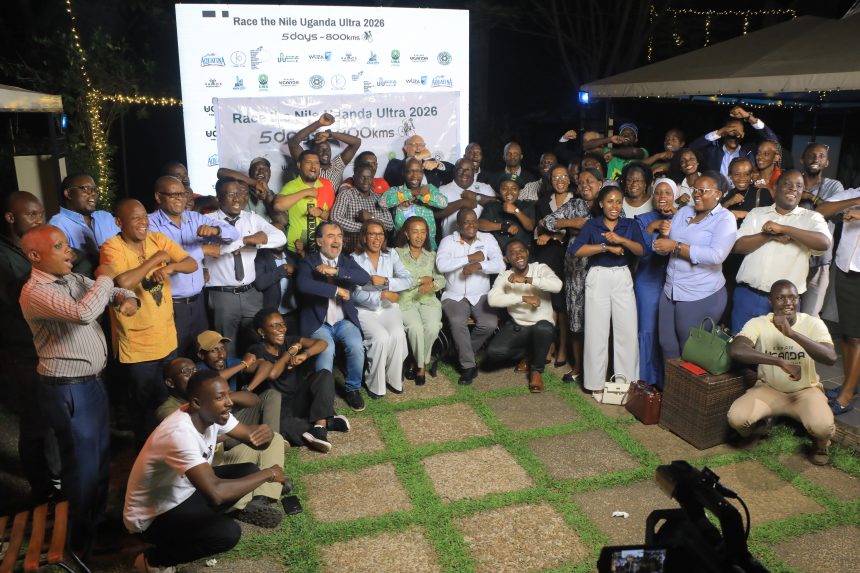
Speaking during a discussion hosted by Karibu Travel Magazine, Dr Lilly Ajarova, Senior Presidential Adviser on Tourism and Uganda-based strategic lead for the initiative, said the competition presents an opportunity to address some of the challenges limiting West Nile’s visibility as a tourism destination.
“Its challenge has been less about lack of attraction, and more about visibility, accessibility, product development, and investment,” Ajarova said.
She noted that West Nile boasts attractive landscapes, rich cultural heritage, diverse food experiences and hospitable communities, but requires deliberate efforts to package these resources into experiences that can attract visitors and encourage longer stays.
Ajarova said Race the Nile would provide an international platform to expose the region’s attractions while connecting visitors directly with local communities.
“It gives us a platform to bring people to the region, to experience its attraction and share those experiences with the world,” she said.
Pablo Rodriguez, the originator of Race the Nile, said the idea was inspired by his experience volunteering in West Nile, where he developed an appreciation for the region’s landscapes, cultural diversity and hospitality.
He said the event was conceived as a community-driven initiative that would allow local businesses to benefit directly from the international exposure generated by the competition.
“This race is built up from within the community, not from outside the community,” Rodriguez said.
Michael Adriko, who has been involved in developing and assessing the cycling routes, said West Nile offered suitable terrain for gravel cycling, with extensive unpaved roads and varied landscapes providing an attractive endurance challenge.
“I personally have been riding in the remote landscapes of West Nile for the past five years,” Adriko said.
The race will accommodate individual competitors and pairs, with participants expected to navigate predominantly gravel and dirt roads while carefully managing their pace, supplies and recovery throughout the approximately 800-kilometre course.
Preparations for the event include route assessments, community engagements, coordination with security agencies and medical arrangements involving Arua Regional Referral Hospital.
Organisers have also planned to use GPS tracking devices to monitor cyclists’ movements and facilitate emergency response throughout the competition.
Beyond the main endurance challenge, the event is expected to open up opportunities for conventional tourism by encouraging visitors to explore the region through shorter cycling experiences and organised tours.
According to Ajarova, members of the West Nile Cyclists Club have developed half-day, full-day and two-day cycling routes for visitors who may not be ready to undertake the full 800-kilometre challenge.
Tour operators are also developing packages that will enable visitors to extend their stays before and after the competition, combining the race with cultural, nature-based and other tourism experiences.
The event will also have a wildlife conservation component, with the overall winner earning the opportunity to name a white rhino at Ajai Wildlife Reserve, linking the sporting competition to wildlife conservation and destination promotion.
Organisers hope to establish Race the Nile as an annual international event, gradually attracting more participants, tourism investors and partnerships that could support the growth of West Nile’s tourism industry.
Ajarova urged cyclists, tour operators, businesses and other visitors to take advantage of the event, emphasising that participation should extend beyond professional and endurance cyclists.
“The race is not limited only to those who are going to do the 800 kilometres. Come as a visitor to West Nile,” she said.
“Come and explore West Nile.”
Registration and further information about the competition are available at www.racethenile.com.