How Karamoja is turning cultural heritage into an economic opportunity
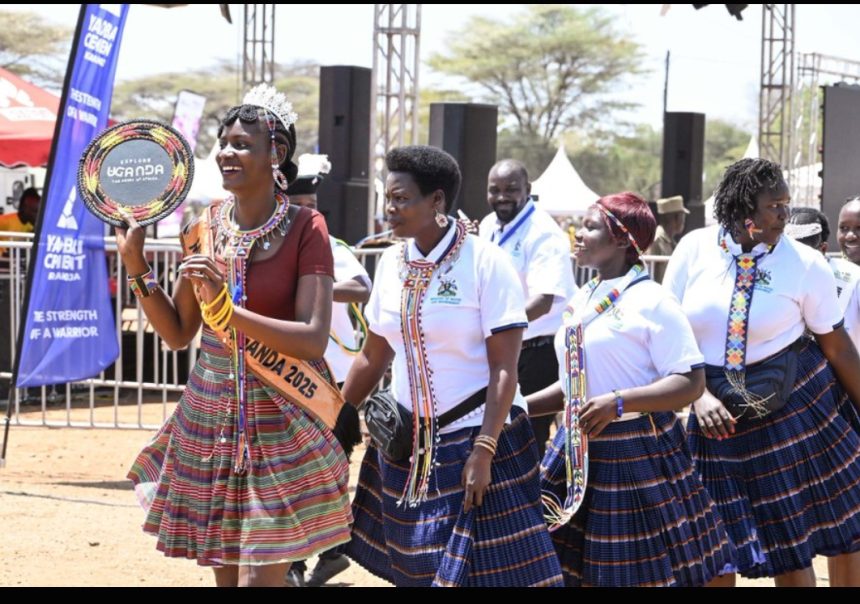
MOROTO — As the sun sets over the rugged hills of Karamoja, the sound of traditional drums fills the air. Dancers dressed in colourful beads and traditional attire move to the rhythm, while elders, young people and visitors gather to witness a celebration of a culture that has survived generations.
For the communities gathered in Moroto for the 11th Karamoja Cultural Festival, this is more than a celebration of tradition. It is an opportunity to show how culture can become a source of tourism, jobs and income for local communities.
The festival, held under the theme “Unity in Culture, Strength in Peace, Prosperity through Tourism and Natural Resources,” has brought together communities from the nine districts of Karamoja and members of the wider Ateker community from Teso, Lango, Turkana in Kenya, Toposa in South Sudan and Nyangatom in Ethiopia.
Now in its 11th edition, the festival is placing Karamoja’s cultural heritage at the centre of conversations about tourism and economic development.
For years, Karamoja’s story has often been dominated by narratives of poverty, cattle rustling, food insecurity and insecurity. But tourism stakeholders believe the region has another story to tell; one built around its distinctive culture, spectacular landscapes, wildlife and traditional way of life.
Dr Simplicious Gessa, spokesperson for the Uganda Tourism Board, said Karamoja possesses a combination of natural and cultural attractions that can generate economic value if properly developed and promoted.
The region’s mountains, landscapes, wildlife and cultural traditions, he noted, provide a foundation for a tourism experience that is unique to Karamoja.
The festival is therefore providing a platform to change perceptions about the region while exposing visitors to its cultural and tourism potential.
From culture to business
For local communities, the economic potential of culture extends beyond performances.
Traditional crafts, beadwork, cultural dances, food, storytelling, traditional attire and visits to manyattas can all form part of a tourism value chain that puts money directly into communities.
The distinctive beads worn by Karamojong women and men, for instance, are not simply cultural ornaments. They can also become products for the growing market for authentic African crafts and souvenirs.
Similarly, traditional foods and cultural performances can provide opportunities for community-based enterprises, while young people can benefit from jobs in tour guiding, hospitality, transport and event management.
Peter Sebulime, president of the National Tourism Events Organisers Federation, said cultural events have the potential to stimulate economic activity by attracting visitors and creating opportunities for local businesses.
The festival also gives tourism operators an opportunity to package Karamoja as a destination rather than simply an event location.
Visitors who travel to Moroto for the festival can explore the region’s mountains, landscapes, wildlife and communities, creating opportunities for hotels, restaurants, transport providers, tour operators and artisans.
Uganda Tourism Board chief executive officer Juliana Kagwa has similarly emphasised the connection between cultural heritage and destination tourism.
She noted that Karamoja’s cultural experiences can complement its natural attractions, creating a more diverse tourism product.
Culture as a peace-building tool
But the economic conversation is closely linked to another important issue like peace.
The festival brings together communities with longstanding cultural and social connections across national borders.
Cultural dialogues involving elders, women, youth, traditional leaders and other stakeholders are being used to discuss peace, cultural diversity, food security, natural resources and tourism.
By creating spaces for communities to interact, share traditions and discuss common challenges, organisers believe culture can help strengthen relationships and promote peaceful coexistence.
The participation of communities from Kenya, South Sudan and Ethiopia also demonstrates the cross-border nature of the Ateker cultural identity.
This regional connection could, in the long term, support cultural tourism routes that move beyond national boundaries.
Changing Karamoja’s story
The bigger opportunity, however, lies in what happens after the festival.
The challenge is to turn the attention generated by the annual celebration into sustainable tourism products and businesses that continue operating throughout the year.
That means investing in infrastructure, accommodation, skills, marketing and community-based tourism while ensuring that cultural heritage is protected and local communities remain key beneficiaries.
If this happens, Karamoja’s culture could become more than a symbol of identity.
It could become an economic asset.
From the beads and dances to the manyattas, mountains and wildlife, the region possesses experiences that cannot easily be replicated elsewhere.
And as the drums echo across Moroto during the festival, Karamoja is beginning to make a different proposition to Uganda and the world: Culture is not only something to celebrate and preserve, but also a resource that can help drive tourism, create livelihoods and shape a more prosperous future.