
Uganda’s Petroleum Fund had grown to Shs212.6 billion by December 2025, as the country moved closer to its long-awaited first oil production, Finance Minister Henry Musasizi has said.
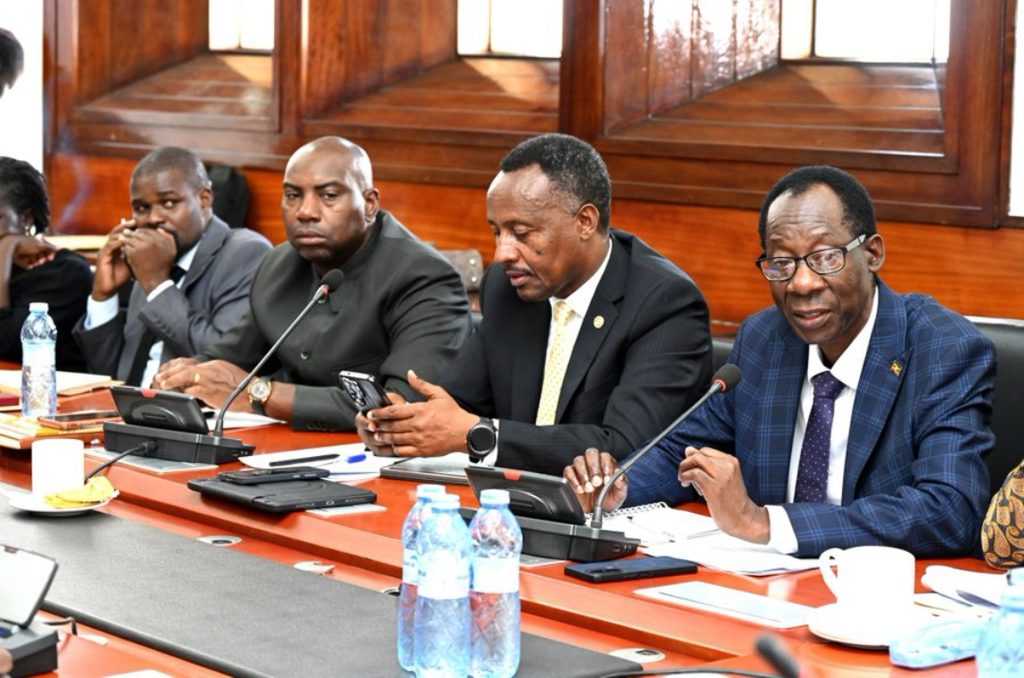
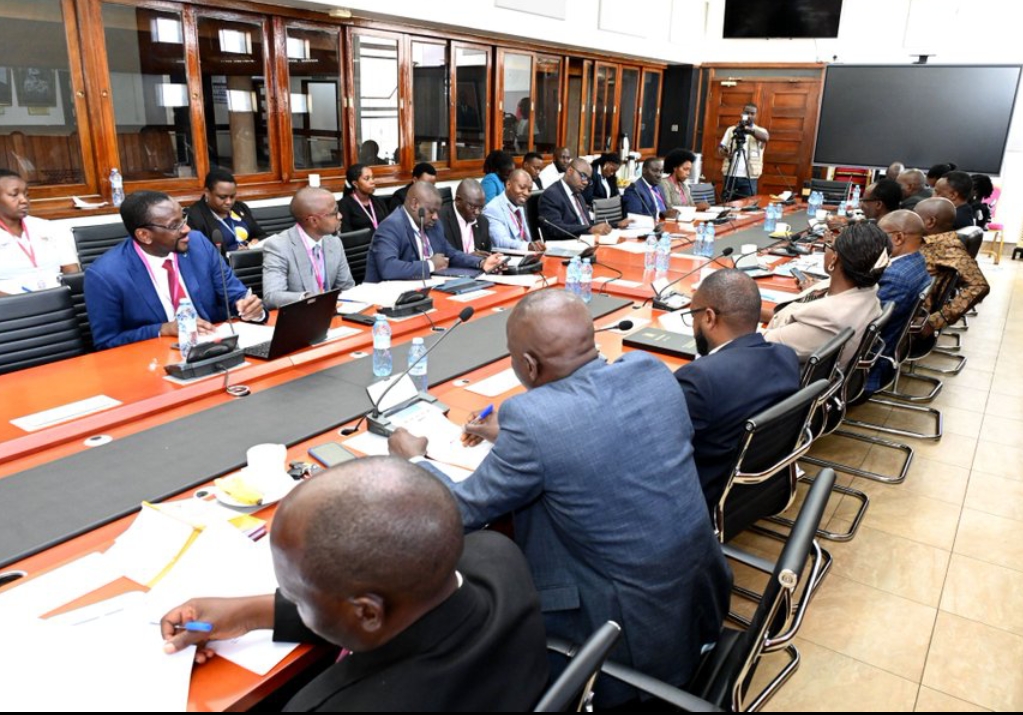
Musasizi presented the Petroleum Fund Annual Report for the financial year ended June 30, 2025, and the semi-annual report for the period ended December 31, 2025, to the Parliamentary Committee on Finance, Planning and Economic Development.
The reports, prepared in accordance with the Public Finance Management Act, Cap. 171, provide an update on the management, performance and utilisation of revenues generated from petroleum and petroleum-related activities.
According to the Minister, the value of the Petroleum Fund increased from Shs131.27 billion as at June 30, 2025, to Shs212.6 billion by December 31, 2025.
The June 2025 balance, however, represented a decline from Shs145.98 billion recorded at the end of the previous financial year.
Musasizi attributed the reduction to the appropriation and transfer of Shs281.87 billion from the Fund to the Consolidated Fund and Uganda National Oil Company (UNOC).
During the financial year ended June 30, 2025, the Petroleum Fund received Shs268.2 billion, up from Shs184.01 billion collected in the previous financial year.
Of the revenue received, Shs261.5 billion came from tax revenue, while Shs6.72 billion was generated from non-tax revenue.
The Government subsequently allocated Shs166.5 billion to UNOC, while Shs115.37 billion was used to finance part of the construction of Hoima City Stadium ahead of the 2027 Africa Cup of Nations (AFCON).
However, petroleum revenues recorded a decline during the first six months of the 2025/26 financial year.
By December 31, 2025, the Fund had received Shs81 billion, compared to Shs105 billion collected during the corresponding period of the previous year, representing a 23% decline.
Musasizi attributed the decline to the stage of Uganda’s oil and gas project cycle, noting that major construction and drilling contractors had completed their principal activities in preparation for first oil.
This, he said, had reduced the withholding tax base and consequently affected petroleum-related revenue collections.
Despite the fluctuations in revenue collections, the Government said the framework for managing petroleum revenues remains guided by fiscal rules designed to ensure that oil wealth supports national development while preserving resources for future generations.
Under the Charter for Fiscal Responsibility, a maximum of oil revenue equivalent to 0.8% of the preceding year’s non-oil Gross Domestic Product (GDP) may be appropriated through the annual budget to finance infrastructure and development projects.
The remainder of the oil revenues is to be invested in the Petroleum Revenue Investment Reserve.
Musasizi said Uganda remains on course to achieve first oil in the 2026/27 financial year, adding that Government had put in place institutional and multi-sectoral arrangements to ensure effective management, investment, utilisation and transparent reporting of petroleum revenues.
The Minister said the arrangements would be critical as Uganda transitions from the investment phase of its oil and gas sector into production and begins receiving larger and more sustained petroleum revenues.
The Petroleum Fund is expected to play a central role in ensuring that revenues from the country’s oil resources are managed prudently and used in accordance with the law.